How to use the power of LIVESTREAMING?

Livestream Livestreaming is one of the most effective ways to reach an audience in real time—we learned that during the pandemic. Later, hybrid events started to take off, where livestream viewers made up roughly two-thirds of the total audience, whether it was a corporate conference, a festival, a sports event, or an international meeting. So what are the benefits of livestreaming? Today we know that live broadcasts increase awareness, interest in the brand, sales, and attendance at future events.

In this article, you’ll learn where livestreaming can be used and how you can effectively integrate it into your communication.

Conference livestream

Are you organizing an event, have an on-site audience, and want viewers to join from anywhere? Livestreaming is the ideal solution. Viewers can join from the office, from home, from abroad—and watch all content in real time, with the option to interact via chat, Slido, or a telebridge.

This turns your conference from a local event into a hybrid format with international reach, allowing you to reach a much wider audience without increasing logistics costs.

Tip: Have the conference recording split into individual talks by the agency, and you can use them as educational content or marketing material.

Telebridge as part of an event

If you need to connect people in different countries or cities, we use a so-called telebridge. The speakers are in different locations, but appear together as part of one program.

Using an LED screen, we can “bring” speakers onto the stage—in real time, with high-quality sound and image and almost zero latency. This lets you host a panel discussion with guests from multiple continents without them having to attend in person.

Telebridges have proven effective for conferences, international summits, corporate award ceremonies, or any other type of event where guests join remotely with a live contribution.

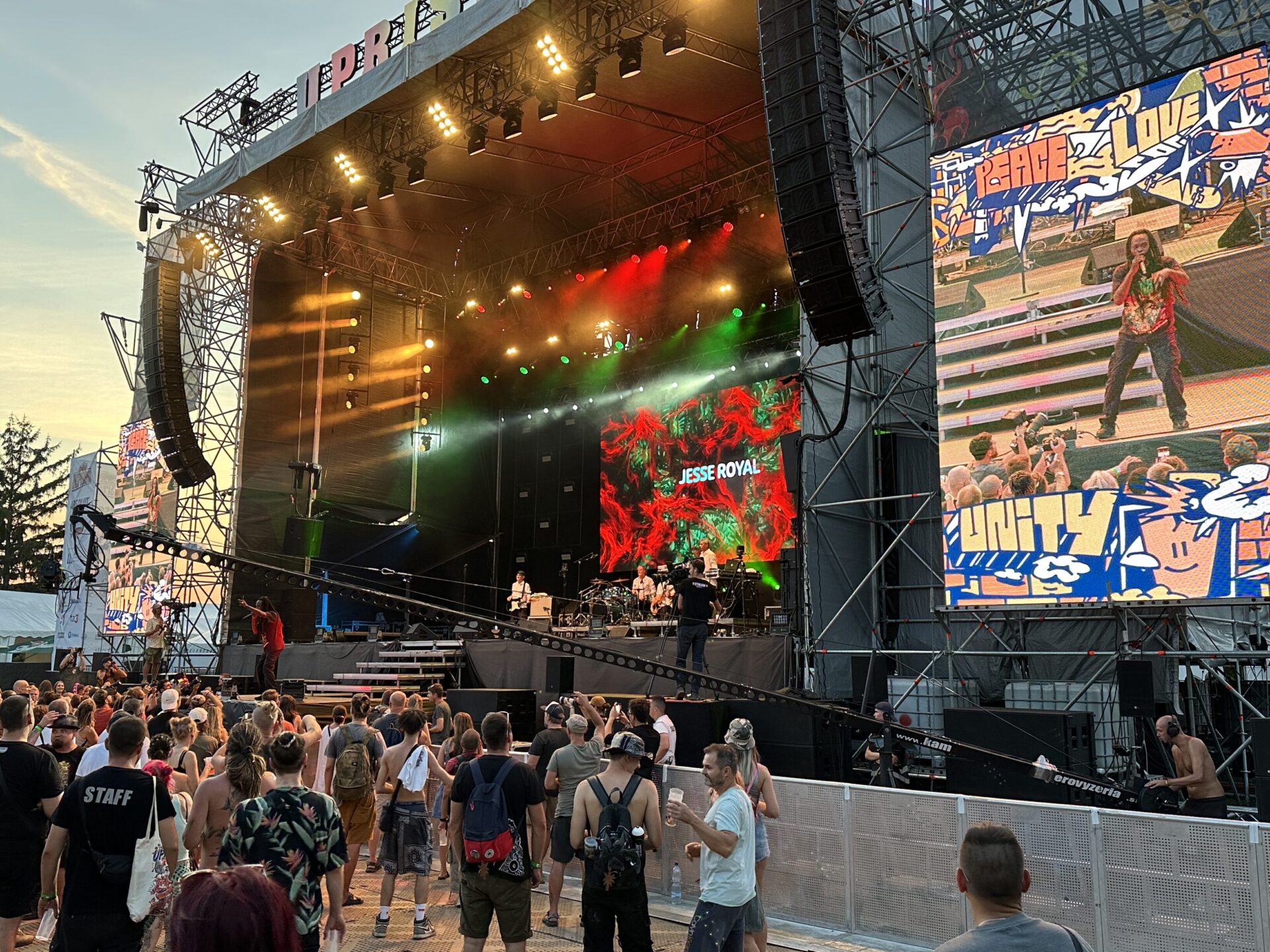
Festival livestream

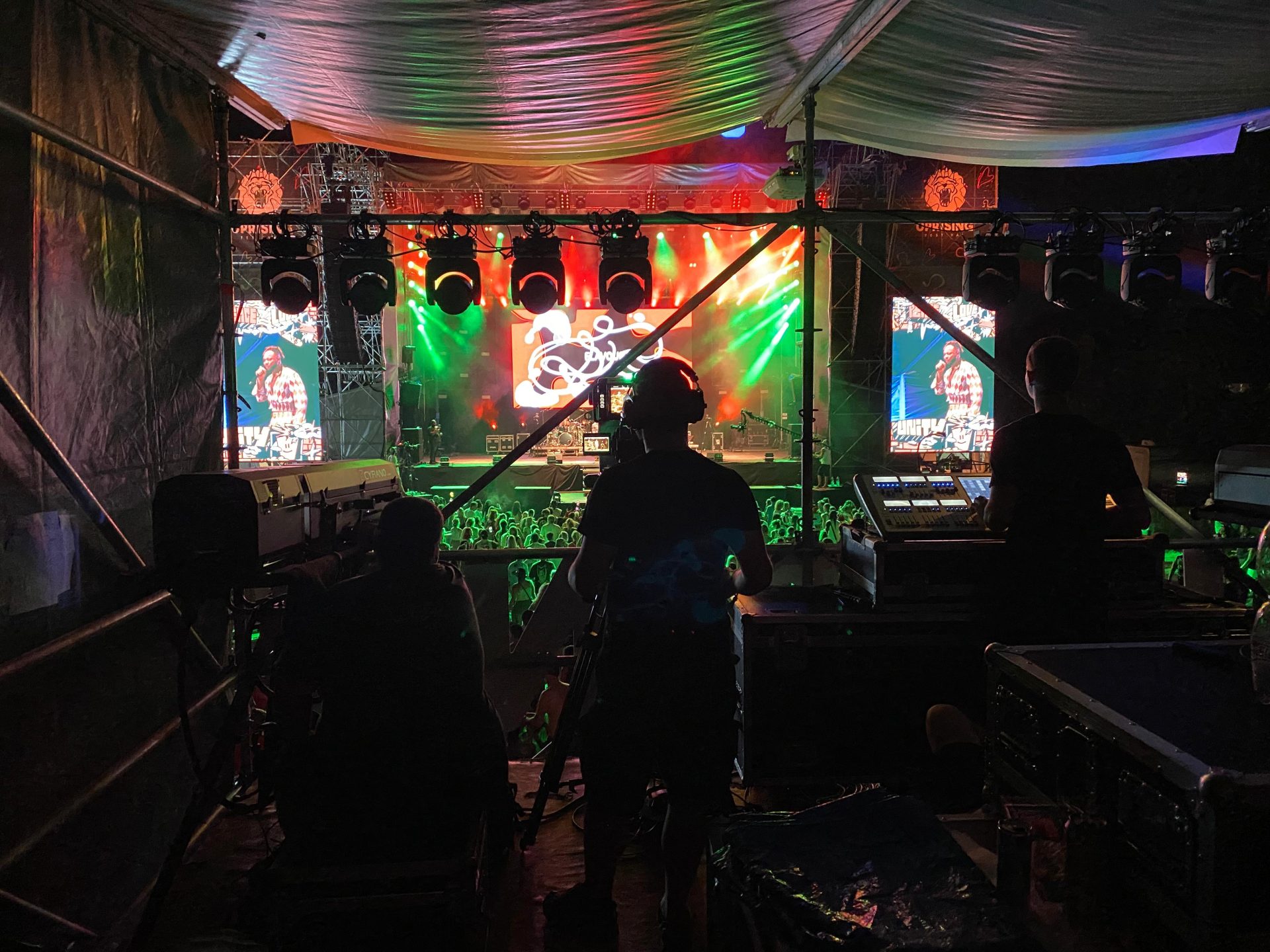
When copyright and artists’ contract terms don’t allow a livestream, it doesn’t mean you can’t use livestreaming. It can be a live feed to LED screens. Sometimes it’s possible to broadcast backstage moments live—artist prep, interviews, and arrivals on stage can create an atmosphere that pulls fans in.

Backstage stream is a great way to engage people who couldn’t make it to the event—and motivate them to come in person next time.

You can also offer viewers a choice of online tickets —paid access to the concert livestream. Fans can enjoy the performance from the comfort of home or from another country.

Sports event livestream

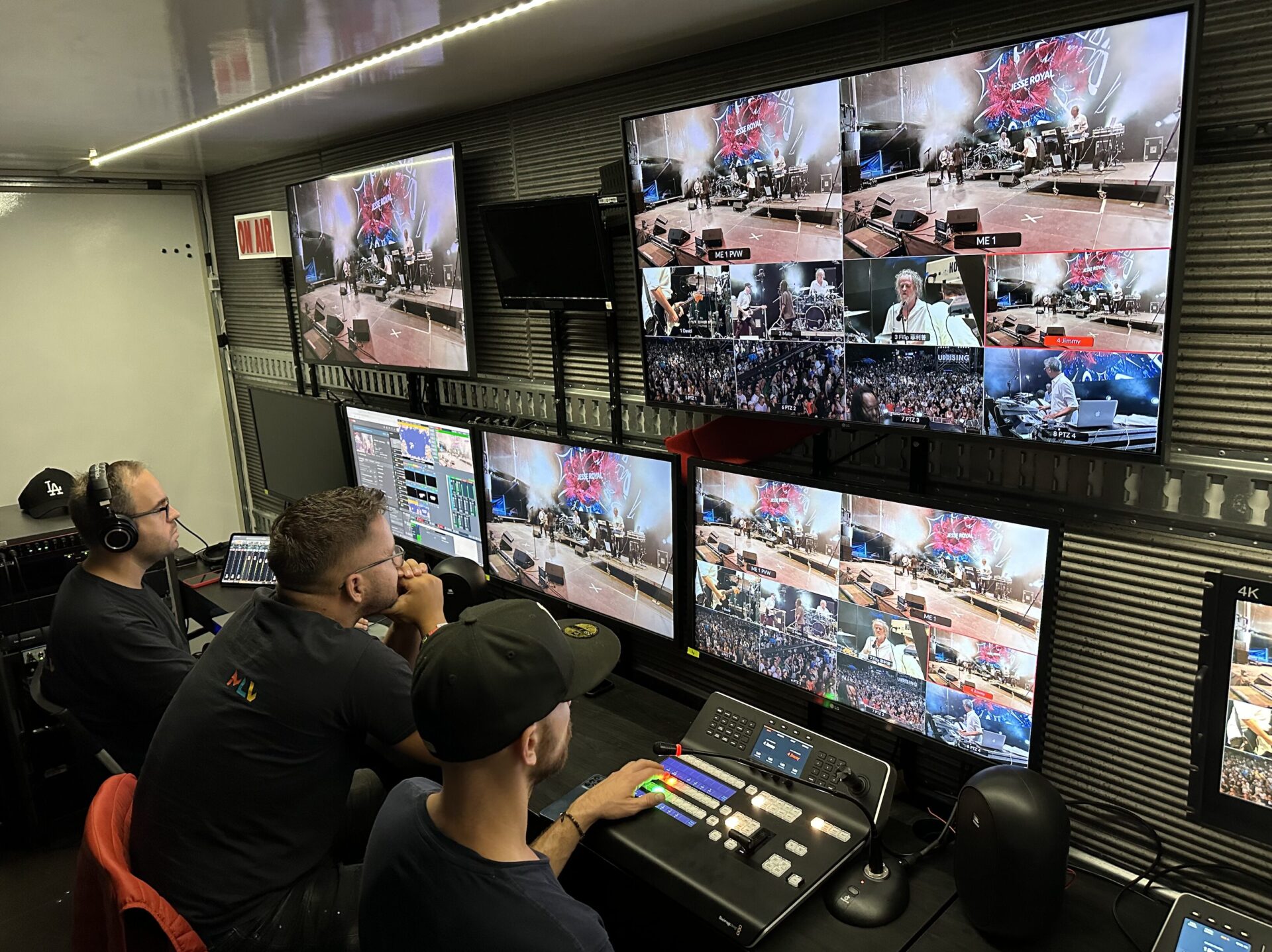
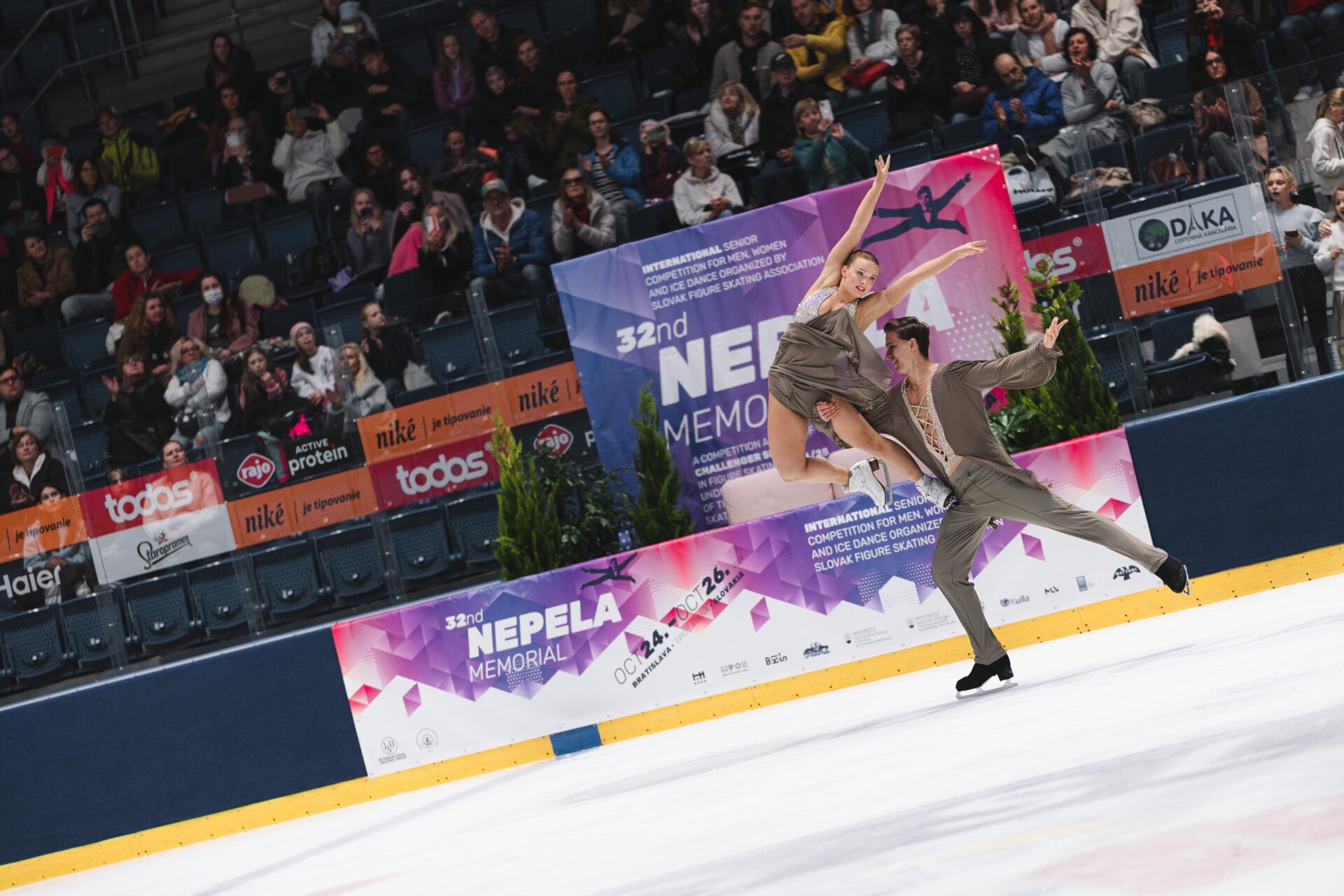
Sports livestreaming has its specifics—it requires a multi-camera broadcast, live switching, and an emphasis on emotion and suspense. Cameras capture key moments, the director ensures smooth transitions between shots, and viewers see only what matters.

People watch livestreams of races, competitions, or matches to support their colleagues, friends, or children—even when they can’t be there in person.

At events like international figure skating or armwrestling, viewers watch our broadcast literally from all over the world.

Livestreaming as part of a marketing strategy

Livestreaming is no longer just a technical solution—it’s an effective marketing tool. It boosts sales and can deliver additional measurable results—greater reach, higher trust, stronger audience engagement. That’s why it’s often part of the communication and content strategies of brands that want to build a community and communicate authentically.

Final tips:

  1. Create a teaser before the livestream—grab attention with a short video you can share on social media.
  2. Focus on sound and lighting quality—a professional broadcast isn’t just about the visuals.
  3. Engage the audience with questions, chat, a quiz, or voting—you’ll increase viewership and memorability.
  4. Review the data after it ends —you’ll know how many people watched, where they came from, and what interested them most. Use this information when planning future broadcasts and marketing activities.
  5. Use the event recording as content for social media, internal training, or advertising.

Summary

Livestreaming is a tool that expands what your event can do. It lets you be where your viewers are—at home, at work, in another city or country. It helps create emotion, spread content, support sales, and drive attendance at future events.

Get in touch—we’ll be happy to help you design a livestream that works.